

The 3 Biggest Website Mistakes I See (And How to Avoid Them)
Avoiding slow load times, poor mobile design, and missing calls-to-action is key to turning your website from a liability into a business-driving asset.

Launching a new website should feel exciting — a fresh digital start for your business.
But too often, that excitement fades when the site doesn’t perform as expected. As a web designer based in Shaftesbury, working with small businesses across Dorset, Somerset and Wiltshire, I regularly see the same mistakes limiting otherwise good websites 🚧
The good news is that these issues are completely avoidable with the right planning and structure.
Here are the three biggest website mistakes I see most often — and how to avoid them.
No clear call to action
A website can look polished and professional, but if visitors don’t know what to do next, it won’t generate results.
I frequently see websites with no obvious direction. There’s no clear invitation to get in touch, book a call, or take the next step — which means potential enquiries simply drift away.
Every page should guide visitors towards a purpose, whether that’s making contact, requesting a quote, or learning more about a service.
At D-S-Design Studio, I plan each website around the user journey, ensuring calls to action are visible, intentional and placed where people naturally look.
When a website gently guides users, engagement improves and enquiries follow 📈
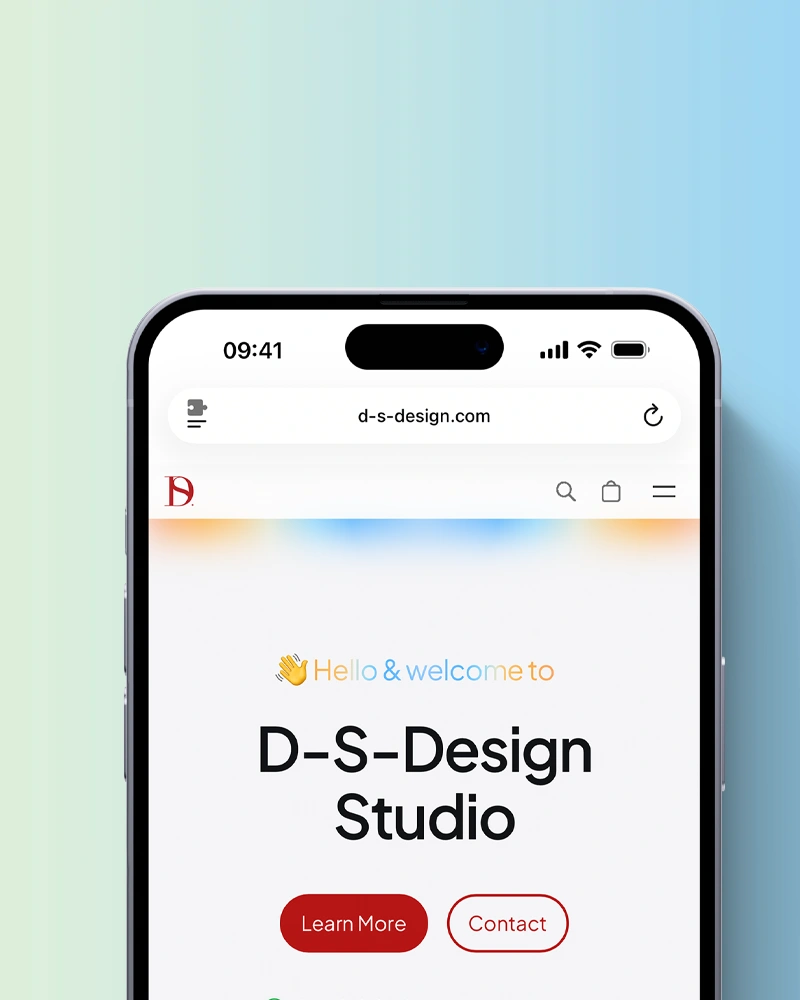
Poor mobile experience
More than half of all website visits now happen on mobile devices, yet many sites are still designed primarily for desktop.
If text is hard to read, buttons overlap, or layouts break on smaller screens, visitors won’t stick around. A poor mobile experience quickly erodes trust.
That’s why every website I build takes a mobile-first approach. Your site should work seamlessly across phones, tablets and desktops — without compromise.
Mobile-friendly design doesn’t just improve usability. It also supports SEO and helps your website perform better in search results, as Google now prioritises mobile optimisation.
A responsive website builds confidence before a single word is read 📱
Slow load times
Speed matters more than many businesses realise.
If a website takes more than a few seconds to load, users leave — and search engines take note. Slow performance often comes from oversized images, outdated builds, unnecessary features or poor optimisation.
When I review existing websites, performance issues are one of the most common problems I find. Small technical improvements can make a significant difference to speed, usability and visibility.
Ongoing optimisation is one of the key benefits of website maintenance, helping sites stay fast, secure and reliable over time.
You can explore how I support this through ongoing care here.
Or if your site needs a one-off performance check.
A fast website creates a strong first impression — and keeps people engaged ⚡️
Avoid these mistakes with confidence
Building a successful website isn’t just about visual design. It’s about clarity, usability, performance and structure working together.
When these elements are considered from the start, a website becomes a powerful business tool — not just something that exists online.
If you’re planning a new website or feel your current one isn’t performing as it should, a fresh approach can make all the difference.
👉 Get in touch with D-S-Design Studio

.jpg)