

The Psychology of Good Web Design: Why People Stay (or Leave)
Good design keeps visitors engaged and builds trust.
First impressions matter — especially online. 🧠
When someone lands on your website, they decide within seconds whether to stay or leave. That decision isn’t random. It’s driven by psychology — how layout, colour, structure and subtle visual cues influence trust, emotion and action.
Understanding this is what separates websites that simply exist from websites that actually work.
Design that feels instinctive
A good website feels effortless to use.
Visitors shouldn’t have to think about where to click next or how to find information. The layout should guide them naturally, almost subconsciously, through the site.
That’s the foundation of strong user experience design.
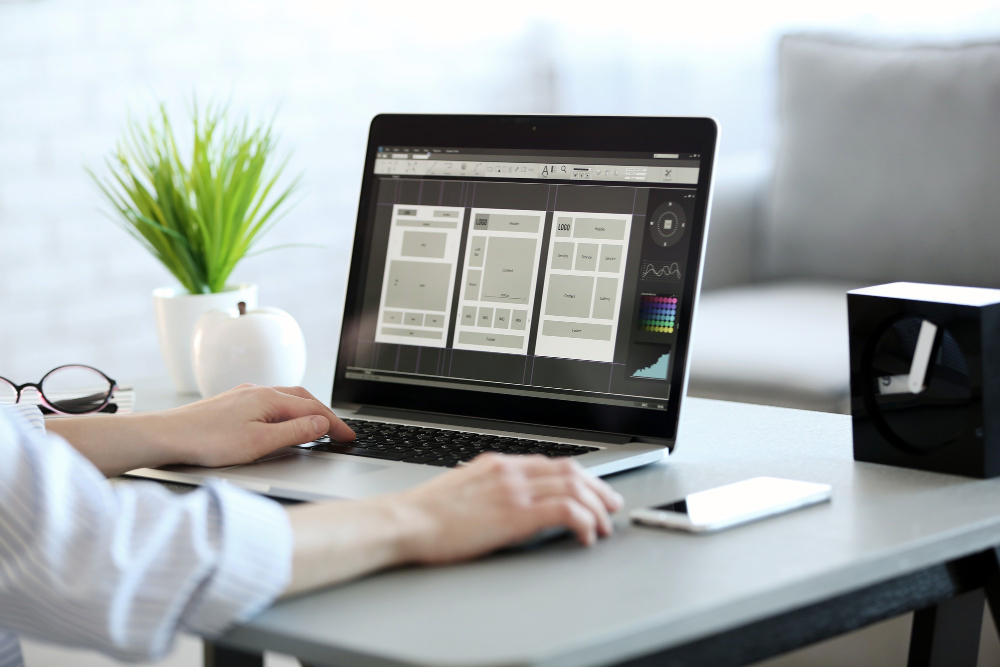
At D-S-Design Studio, every website layout is built around real user behaviour — from how people scan a page to where their attention naturally goes. The journey from homepage to enquiry form is planned carefully so it feels smooth, logical and intuitive.
When a website feels easy to use, people stay longer. And when they stay longer, trust begins to build.
👉 Learn more about Website Design Services
The power of colour and emotion
Colour isn’t decoration. It’s communication.
Different colours trigger different emotional responses. Blues often suggest calm and trust. Neutrals feel refined and professional. Warmer tones can create energy or urgency.
When colour choices are intentional, they reinforce your brand personality and shape how visitors feel while exploring your site.
When designing websites for businesses across Shaftesbury, Dorset and the wider South West, I select colour palettes based on brand tone, audience psychology and purpose — not trends alone.
The result is a website that doesn’t just look good, but feels right.
Clarity builds confidence
Confusing websites don’t convert.
If a page feels cluttered, overwhelming or disorganised, users lose confidence quickly. Clean spacing, clear headings and consistent branding help visitors feel in control — and that sense of control increases trust.
Good design gives content room to breathe.
Visitors should be able to skim, scan and understand what you offer without effort. When information is clear and well-structured, people are far more likely to take the next step.
That clarity is built into every project I design.
Subtle details that make people stay
Small details make a big difference.
Micro-interactions such as hover states, smooth scrolling and responsive buttons make a website feel alive. These subtle touches signal quality and care — and that professionalism translates directly into trust.
The key is balance.
I combine thoughtful interaction design with fast-loading, SEO-friendly builds so performance is never sacrificed for visuals. A website should feel refined, not heavy or distracting.
Why psychology matters for conversions
Design without psychology is decoration.
Design with psychology is strategy.
When you understand how people think, scan and decide, you can gently guide them toward action — whether that’s booking a consultation, making an enquiry or completing a purchase.
That’s exactly how I approach every project at D-S-Design Studio.
Each website is built with empathy, research and real-world behaviour in mind — ensuring the design supports your business goals, not just aesthetics.
Ready to redesign with purpose?
If your website looks fine but isn’t holding attention or driving enquiries, psychology could be the missing piece.
Let’s create a website that connects with your audience, builds trust quickly and encourages meaningful action.
👉 Get in touch with D-S-Design Studio
Based in Shaftesbury, Dorset — designing conversion-focused websites for businesses across the South West.