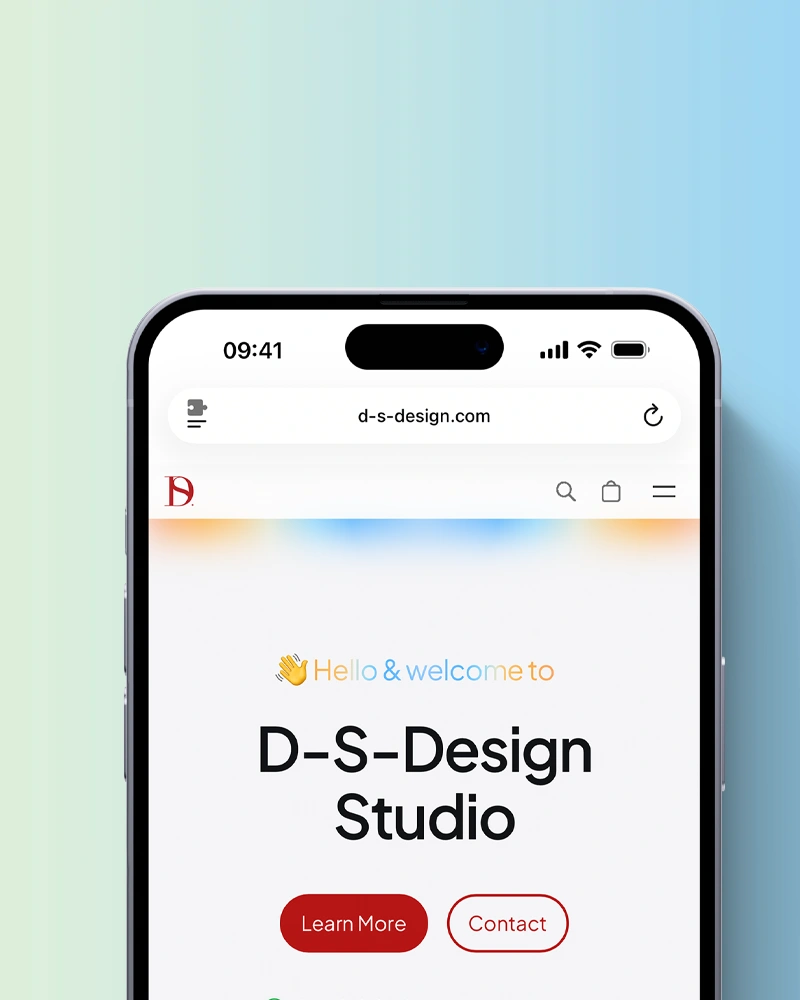



The Most Overlooked SEO Factor: User Experience
When businesses think about SEO, they often focus on keywords, rankings and content.
While these are important, one of the biggest factors affecting website performance is often overlooked: user experience.
Search engines are designed to provide users with the most helpful results possible. This means websites that are easy to use, fast, accessible and genuinely useful are more likely to perform well over time.
SEO is no longer just about helping Google understand your website.
It is about creating a better experience for the people visiting it.
What Is User Experience?
User experience, often shortened to UX, refers to how someone feels when using your website.
It covers everything from how quickly pages load to how easily visitors can find information.
A positive user experience means visitors can:
- Understand your services quickly
- Navigate your website easily
- Find answers to their questions
- Contact your business without frustration
- Complete actions such as bookings or enquiries
When visitors have a good experience, they are more likely to stay longer, explore further and take action.
Why Google Cares About User Experience
Google’s main goal is to provide users with the best possible search results.
If someone clicks on a website and immediately leaves because it is slow, confusing or difficult to use, that suggests the website did not provide a good experience.
Over time, factors such as engagement, mobile performance and page experience can influence how successfully your website performs.
This is why SEO and website design need to work together.
A website that looks good but frustrates users will struggle to achieve its full potential.
Website Speed Impacts User Behaviour
Speed is one of the biggest parts of user experience.
Visitors expect websites to load quickly, especially when browsing from mobile devices.
Slow websites can lead to:
- Higher bounce rates
- Fewer enquiries
- Lower engagement
- Reduced trust
Even a few seconds of delay can make the difference between someone staying on your website or choosing a competitor.
This is why performance optimisation should be considered during the website design process, not added as an afterthought.
Clear Structure Helps Users and Search Engines
A well-structured website benefits everyone.
Visitors should be able to understand:
- What your business does
- Where to find key information
- Which services are available
- How to contact you
Search engines also rely on structure to understand the relationship between pages.
Clear navigation, logical page layouts and internal links all help create a stronger foundation for SEO.
This is why website structure is a key part of my Website Design approach at D-S-Design Studio.
Mobile Experience Is Essential
More people than ever browse websites using smartphones.
A website that works perfectly on desktop but struggles on mobile can quickly lose potential customers.
Mobile-friendly design includes:
- Easy-to-read text
- Simple navigation
- Buttons that are easy to tap
- Fast loading pages
- Content that adapts correctly to smaller screens
A strong mobile experience improves accessibility, usability and customer confidence.
Accessibility Supports Better SEO
Accessibility and SEO often work together.
Making your website easier for everyone to use also helps search engines understand your content more effectively.
Good accessibility practices include:
- Clear heading structures
- Descriptive image alt text
- Strong colour contrast
- Logical navigation
- Readable content
These improvements benefit users with different needs while creating a stronger website foundation.
Content Should Answer Real Questions
Good user experience is not only about design.
The content itself plays a major role.
Visitors come to your website looking for answers.
They want to understand:
- What you offer
- Whether you can solve their problem
- Why they should trust you
- What they should do next
Helpful, clear content keeps visitors engaged and supports stronger SEO performance.
This is why blog content, service pages and FAQs can all contribute to long-term visibility.
User Experience Improves Conversions
SEO is important because it brings people to your website.
But getting visitors is only the first step.
The website then needs to encourage action.
A good user experience helps guide visitors towards:
- Making an enquiry
- Booking a service
- Requesting a quote
- Purchasing a product
- Getting in touch
A confusing website may attract visitors but still fail to generate results.
SEO and Design Should Work Together
The strongest websites combine technical performance, good design and useful content.
SEO brings people to your website.
Design helps them trust your business.
User experience helps them take action.
When all three work together, your website becomes a much more effective tool for growth.
Improving Your Website Experience
At D-S-Design Studio, every website is designed with both users and search engines in mind.
From structure and accessibility to performance and conversion, every decision is made to create a website that works properly for the people using it.
If your website receives visitors but is not generating the results you expected, a Website MOT can help identify areas where user experience, SEO and performance could be improved.
A better experience does not just help rankings.
It helps turn visitors into customers.