

The Small Website Improvements That Make the Biggest Difference
Small website changes that create a bigger online impact.

The Small Website Improvements That Make the Biggest Difference
Many businesses assume that improving their website requires a complete redesign.
While a new website can sometimes be the right solution, there are often smaller improvements that can create a significant impact.
Small changes to structure, content, design and user experience can help improve visibility, build trust and encourage more visitors to get in touch.
The key is knowing which improvements will create the biggest difference.
Improve Your Homepage Message
Your homepage is often the first page visitors see.
Within a few seconds, people should understand:
- What your business does
- Who you help
- Why they should choose you
- What action they should take next
Many websites lose potential customers because their message is unclear.
A simple improvement to your headline, supporting text or calls-to-action can immediately make your website easier to understand.
Add Clear Calls-to-Action
A visitor may like your website, trust your business and still leave if they do not know what to do next.
Every important page should guide visitors towards a clear action.
This could include:
- Requesting a quote
- Booking a consultation
- Viewing your services
- Contacting your business
- Making a purchase
Small changes to button wording, placement and visibility can have a big impact on enquiries.
Improve Your Website Navigation
Visitors should never have to search too hard for important information.
A clear navigation menu helps people quickly find:
- Your services
- About information
- Previous work
- Reviews
- Contact details
Removing unnecessary pages, simplifying menus and improving internal links can make the entire website feel easier to use.
Good navigation also helps search engines understand your website structure.
Refresh Outdated Content
A website that has not been updated for years can quickly lose credibility.
Review your pages regularly and check whether information is still accurate.
Consider updating:
- Service descriptions
- Images
- Testimonials
- Team information
- Contact details
- Business achievements
Fresh, relevant content helps demonstrate that your business is active and gives visitors confidence.
Improve Image Quality and Performance
Images play an important role in how people experience your website.
High-quality, relevant photography can make a business feel more professional and trustworthy.
However, large, unoptimised images can slow your website down.
A good balance includes:
- Professional imagery where possible
- Correct image sizing
- Optimised file formats
- Descriptive alt text
Better images improve both user experience and accessibility.
Strengthen Your Trust Signals
Many visitors need reassurance before contacting a business.
Adding trust signals throughout your website can help reduce hesitation.
Examples include:
- Customer reviews
- Testimonials
- Case studies
- Awards
- Certifications
- Client logos
- Clear contact information
These details show potential customers that your business is established and reliable.
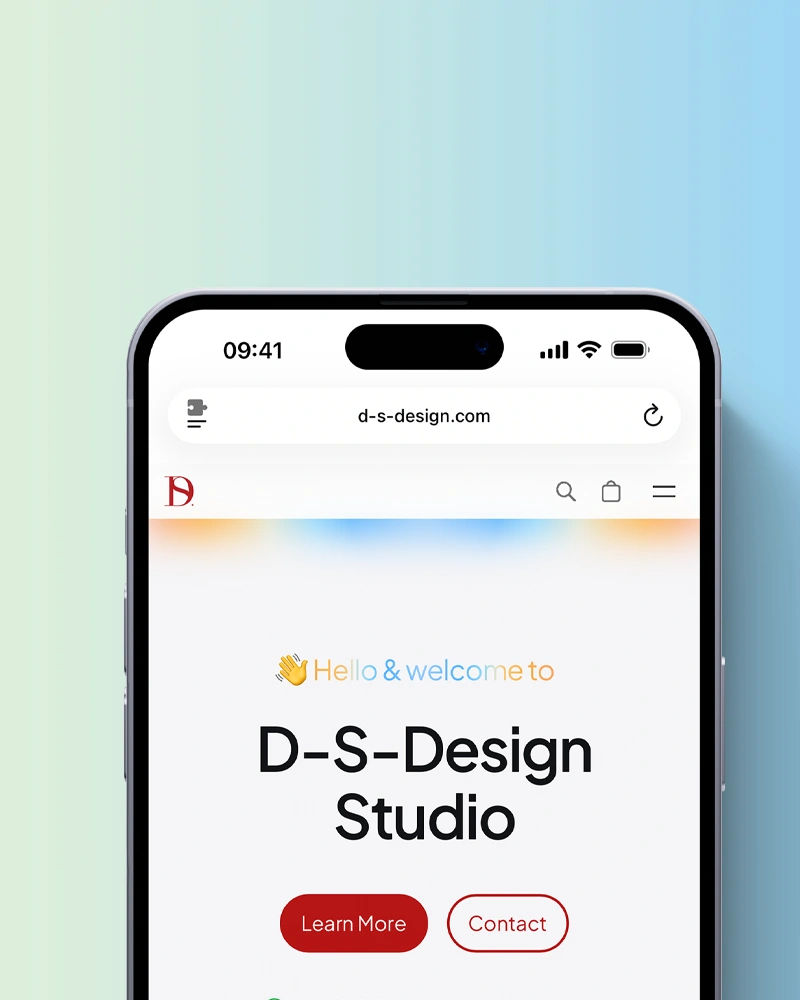
Make Your Website More Mobile Friendly
A website that works well on desktop may still provide a poor experience on mobile.
Check whether:
- Text is easy to read
- Buttons are easy to tap
- Images display correctly
- Forms are simple to complete
- Navigation works smoothly
Since many visitors browse from mobile devices, improving mobile usability can directly affect enquiries.
Improve Your SEO Foundations
Not every SEO improvement requires a complete strategy overhaul.
Small changes can strengthen your website's foundations.
These may include:
- Improving page titles
- Updating meta descriptions
- Adding relevant headings
- Creating internal links
- Expanding thin content
- Updating older blog posts
Over time, these improvements help search engines better understand your website.
Fix Small Technical Issues
Small technical problems can quietly affect performance.
Regular checks can identify issues such as:
- Broken links
- Missing images
- Slow pages
- Incorrect redirects
- Form problems
- Outdated information
Fixing these issues creates a smoother experience for both users and search engines.
Improve Your Contact Process
A visitor who decides to contact you should have a simple journey.
Review your enquiry process and ask:
- Is the contact button easy to find?
- Is the form too long?
- Are response times explained?
- Does the visitor receive confirmation?
Reducing friction can help turn more website visitors into genuine enquiries.
Small Changes Add Up Over Time
The most successful websites are rarely improved through one single change.
Instead, they evolve through consistent improvements.
Updating content, refining user experience, strengthening SEO and improving design details all contribute to a website that continues working effectively.
Your website does not need to be perfect overnight.
It simply needs to keep improving.
Improving Your Website Without Starting Again
At D-S-Design Studio, I help businesses identify the changes that will have the biggest impact on their online presence.
Sometimes that means a complete redesign.
Other times, a focused refresh or Website MOT can uncover smaller improvements that create meaningful results.
The best website improvements are not always the biggest ones.
Often, it is the small details that make the biggest difference.